BIOTEC (NSTDA) x IMCAS (China) Strengthen Mekong Food Security through Edible Mushroom Training in Beijing
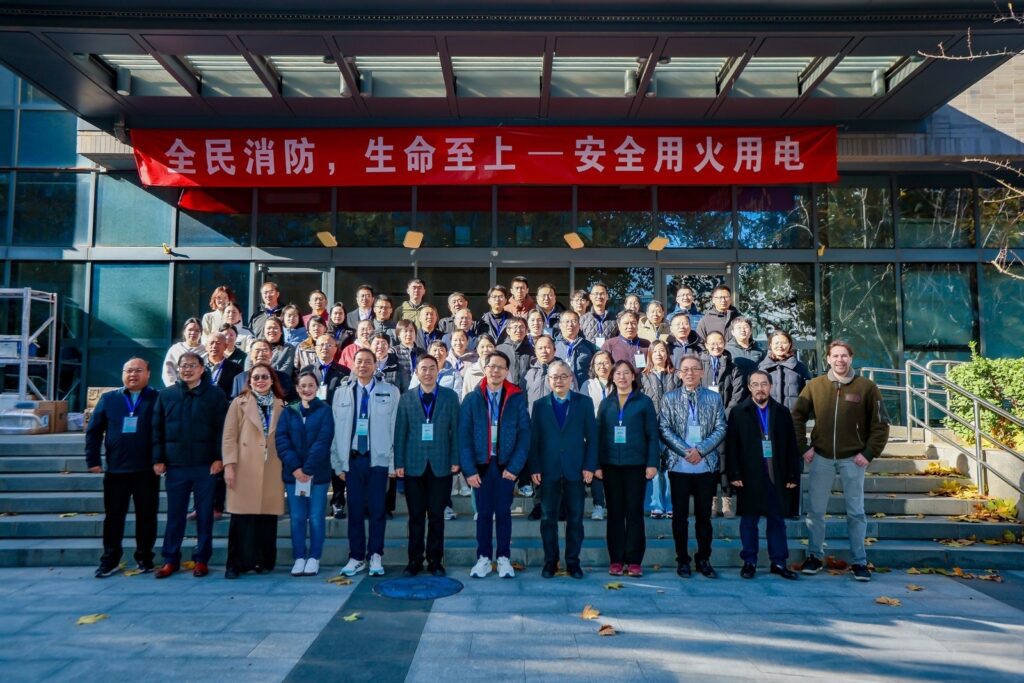
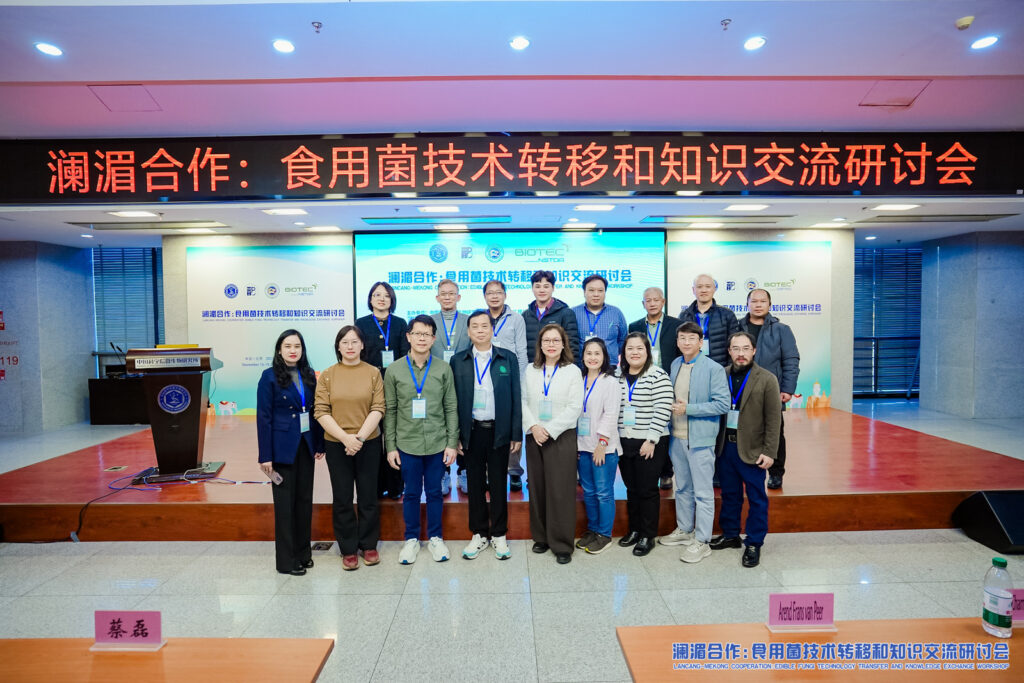
The National Science and Technology Development Agency (NSTDA), through the National Center for Genetic Engineering and Biotechnology (BIOTEC) under the Ministry of Higher Education, Science, Research and Innovation (MHESI), in collaboration with the Institute of Microbiology, Chinese Academy of Sciences (IMCAS), People’s Republic of China, convened a workshop entitled “Technology Transfer and Knowledge Exchange on Edible Mushrooms.” The event was held at IMCAS, Beijing, from 16 – 19 November 2025, within the framework of the project “Technology Transfer and Knowledge Exchange on Edible Mushrooms for Sustainable Economic and Agricultural Development in the Mekong Region,” supported by the Lancang–Mekong Cooperation Special Fund (LMCSF) provided by the Government of China.
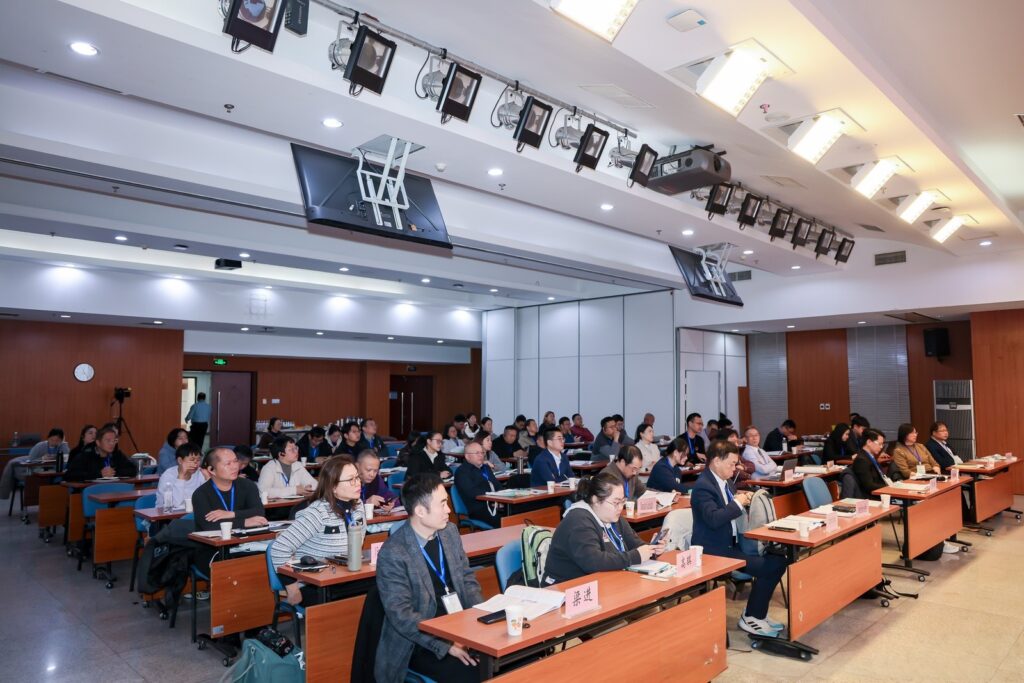
The workshop aimed to establish a platform for exchanging scientific knowledge and practical innovations relevant to mushroom cultivation and processing. Edible mushrooms represent an increasingly important alternative protein source and a high-value agricultural commodity, with strong potential to reinforce food security and promote sustainable agricultural development across the Mekong region. The event gathered more than 70 participants, including researchers, private-sector representatives, and farmers from Mekong countries and China. The opening session was presided over by Dr. Qi-Hui Wang, Deputy Director of IMCAS.
This activity was jointly supported by the LMCSF project, the Bureau of International Cooperation of the Chinese Academy of Sciences, the Royal Thai Embassy in Beijing, and several co-organizing bodies, including the Mycological Society of China (Edible Mushroom Harvesting and Processing Division), the Beijing Edible Mushroom Innovation Network, and EMushroom.net.
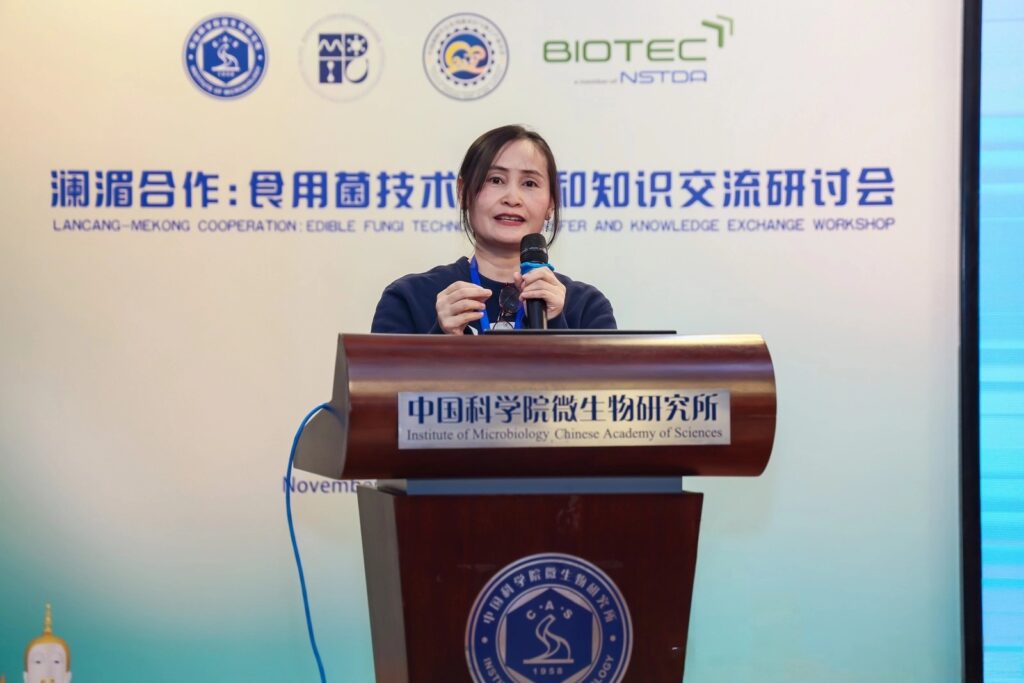
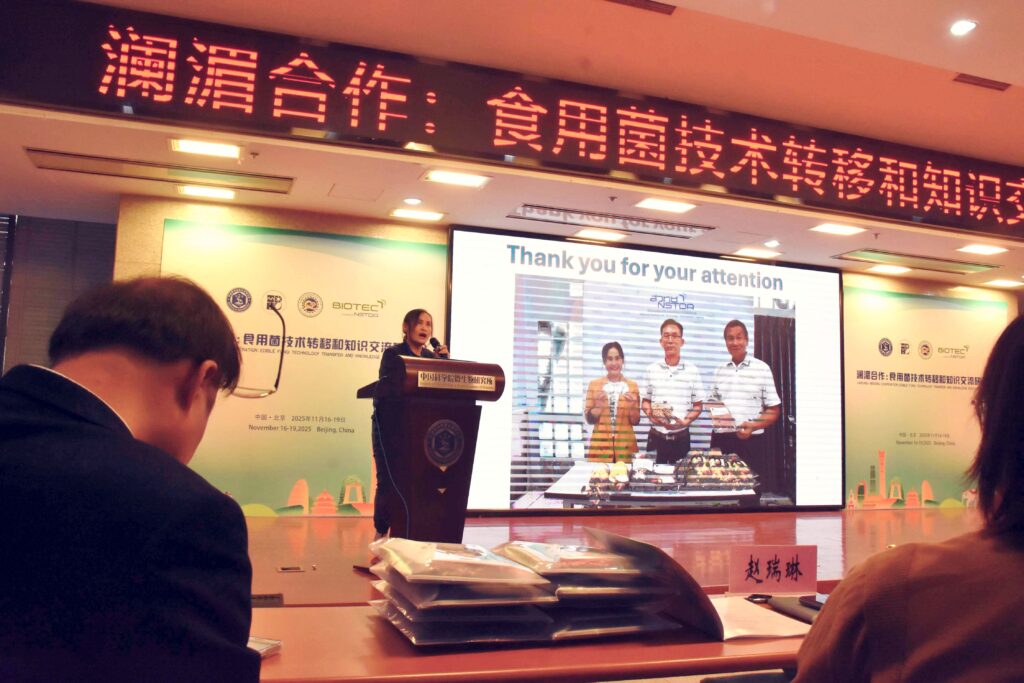
Dr. Umpawa Pinruan, BIOTEC researcher and project leader, delivered a presentation on the development of edible strains of the wild “Schizophyllum commune” mushroom through single-spore hybridization for commercial cultivation. Dr. Jennifer Luangsa-ard presented on entomopathogenic fungi and their potential for sustainable biocontrol applications. Over the three-day program, experts from Thailand, China, the Netherlands, Laos, and Vietnam contributed to in-depth discussions on the edible and medicinal mushroom sectors, highlighting technological advances, current challenges, and opportunities for regional cooperation.
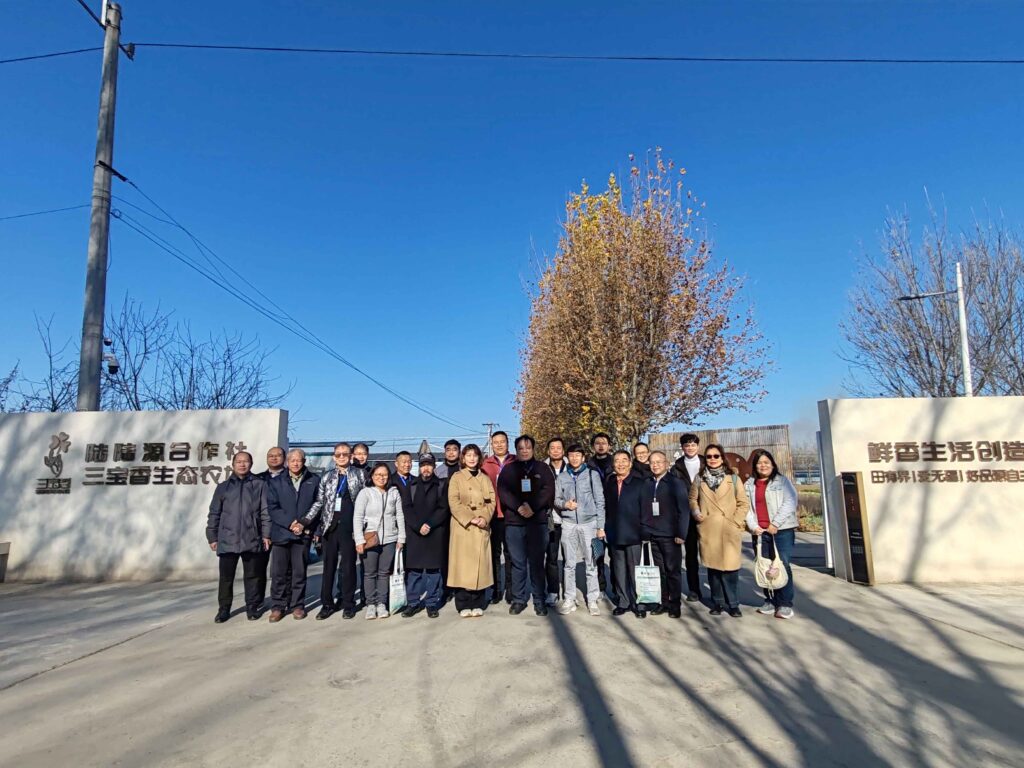
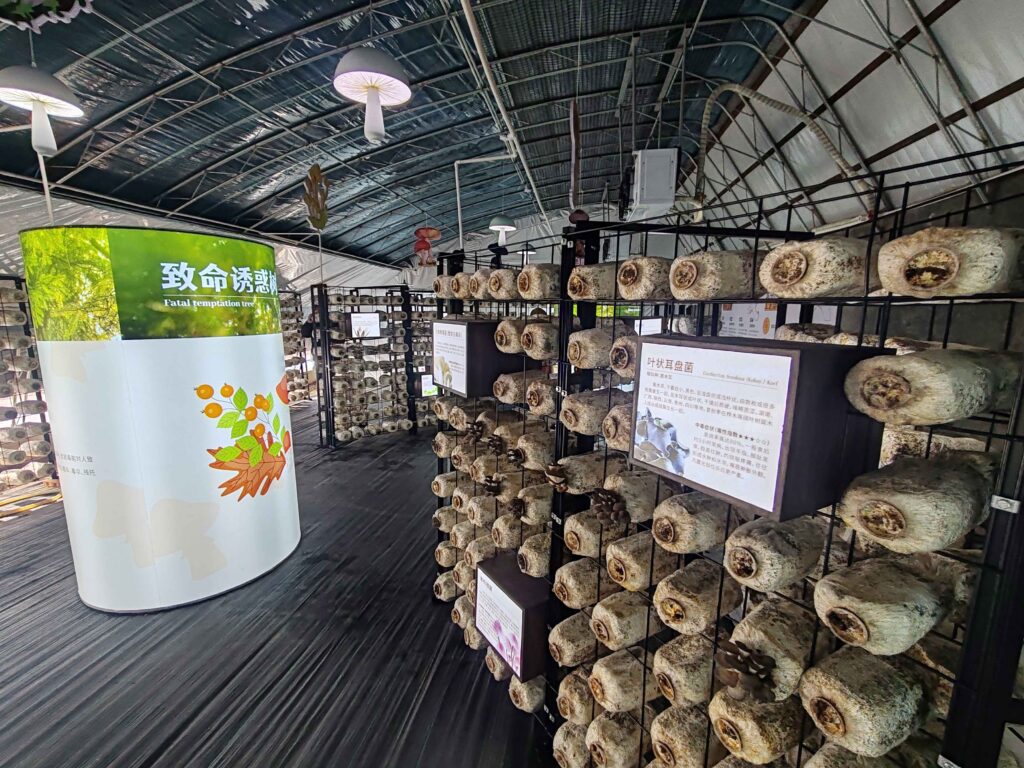
Participants also visited a large-scale commercial mushroom production facility operated by a Chinese private company, where they observed industrial-level cultivation systems and farm management practices. The visit provided valuable insights into the integration of technology and production at scale and fostered further opportunities for collaboration. The combined activities of the workshop are expected to support knowledge translation and enhance the development and competitiveness of economically important mushroom species within Mekong countries.
We use cookies to ensure that we give you the best experience on our website. If you continue to use this site we will assume that you are happy with it.